Sprinkler System Cleaning
We clean and restore sprinkler systems on maritime vessels to ensure safety, compliance and reliable operation. Efficient, documented cleaning with focus on flow and corrosion control.
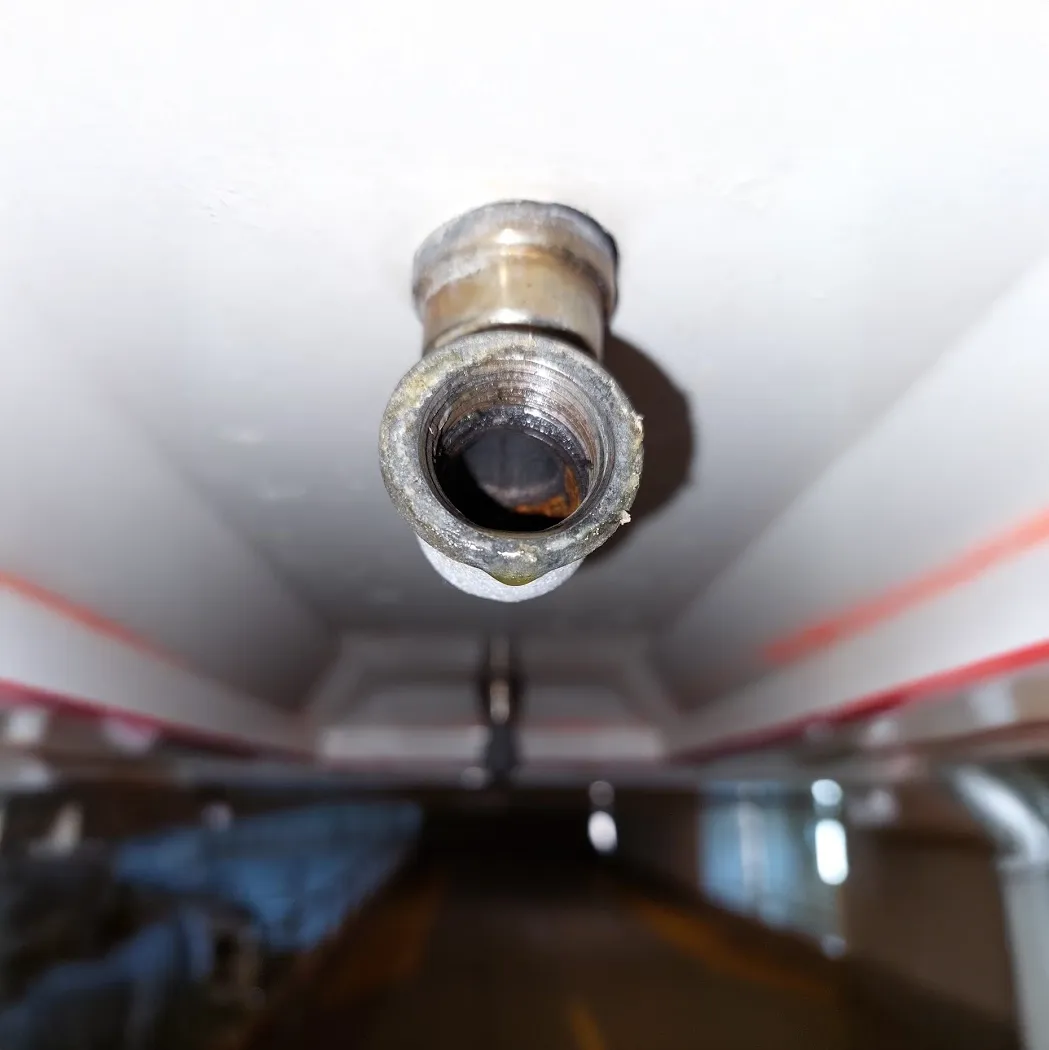
We start by inspecting the sprinkler system and identifying critical areas. All nozzles are removed, and we set up return lines and air vents to enable circulation. Where needed, we make minor modifications to access clogged or corroded zones. If leaks or weak points are discovered, we repair or temporarily patch them to allow cleaning.
We circulate NGP Marine Fluid through each zone, targeting corrosion, growth and mineral scaling. Each zone runs with chemical for 6–24 hours depending on the condition. We ventilate regularly to ensure proper circulation in all branches and collect particles in external filters for inspection.
In many vessels, the worst contamination is found in the main supply pipe from the seawater pump to the sprinkler room. We isolate and clean this line separately with high-temperature acid circulation. This prevents recontamination of clean branches and nozzles
After chemical cleaning, we flush the entire system with large volumes of seawater. This removes any remaining loose rust flakes and debris. In some vessels, this step also includes flushing previously untouched sections like overhead pipes or inaccessible branches.
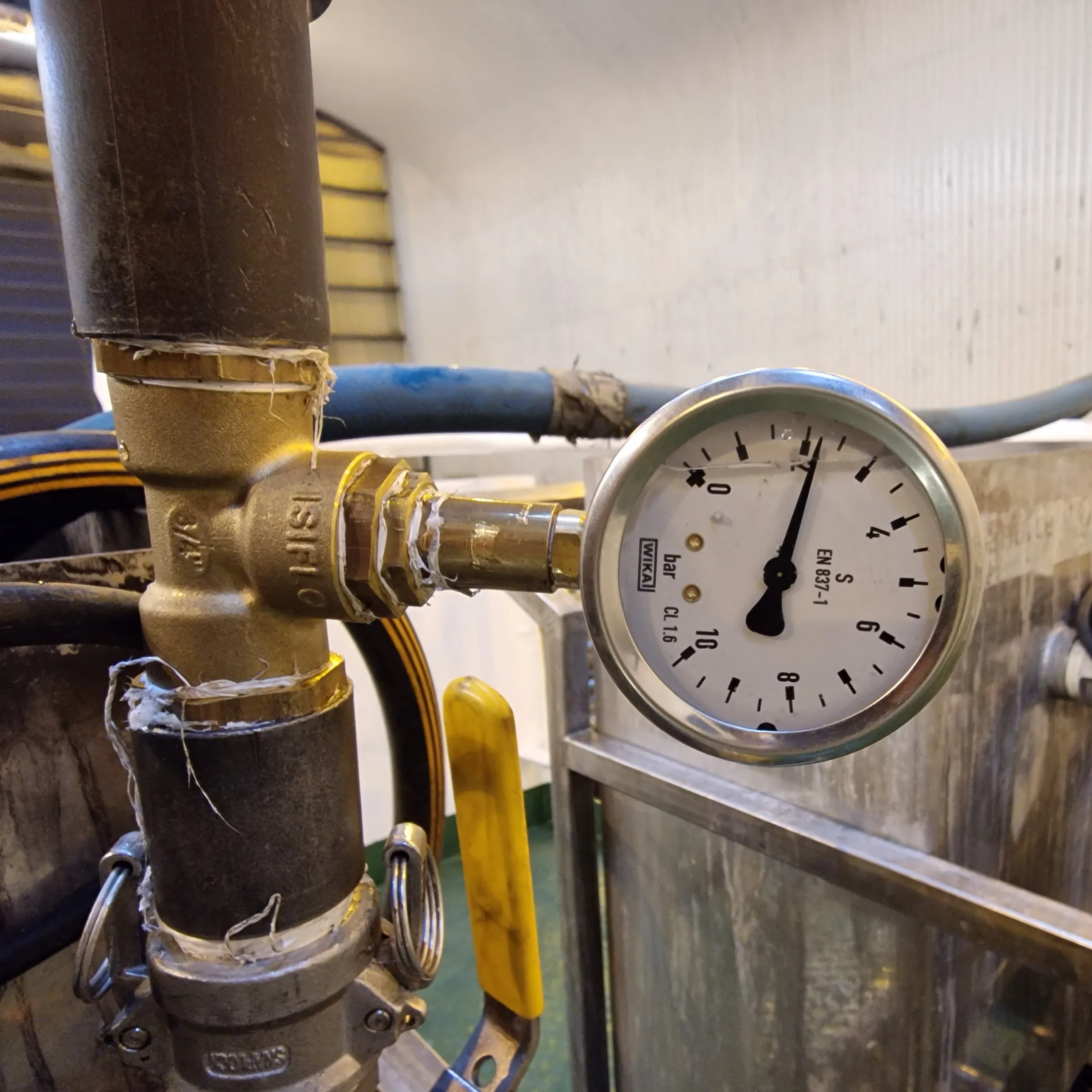
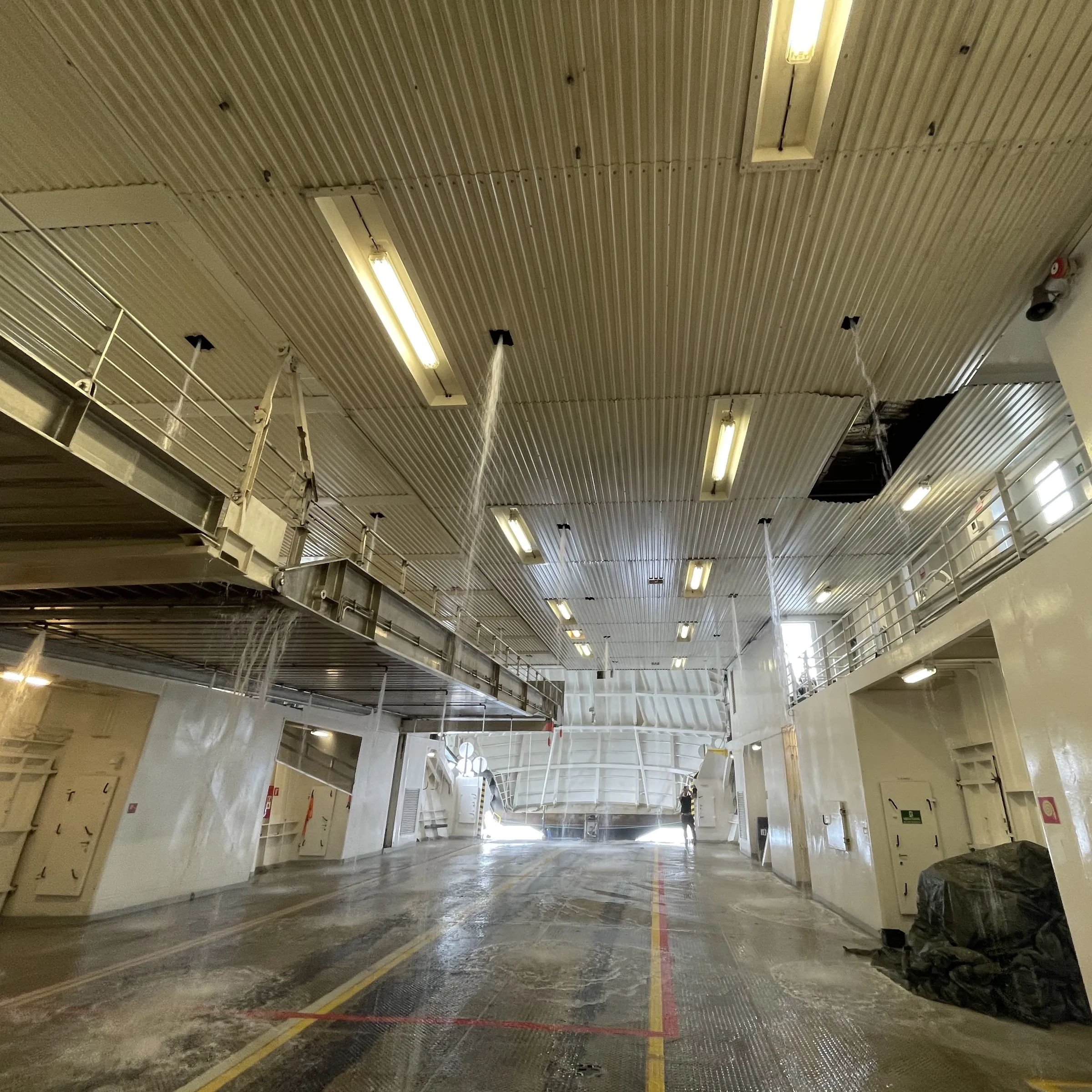
Once flushing is complete, we reinstall all nozzles and test the system zone-by-zone with full water pressure. The goal is clear: every nozzle should fire correctly. All tests are filmed and included in the final report. Testing follows SOLAS 74/88 Reg. II-2, ensuring regulatory compliance across the full system.
You receive a full service report with photos, videos and observations. We highlight problem areas and recommend maintenance actions where relevant – such as freshwater flushing after use or avoiding mixed metals that cause galvanic corrosion. We also offer framework agreements for long-term maintenance.
We clean and restore sprinkler systems on maritime vessels to ensure safety, compliance and reliable operation. Efficient, documented cleaning with focus on flow and corrosion control.
We start by inspecting the sprinkler system and identifying critical areas. All nozzles are removed, and we set up return lines and air vents to enable circulation. Where needed, we make minor modifications to access clogged or corroded zones. If leaks or weak points are discovered, we repair or temporarily patch them to allow cleaning.
We circulate NGP Marine Fluid through each zone, targeting corrosion, growth and mineral scaling. Each zone runs with chemical for 6–24 hours depending on the condition. We ventilate regularly to ensure proper circulation in all branches and collect particles in external filters for inspection.
In many vessels, the worst contamination is found in the main supply pipe from the seawater pump to the sprinkler room. We isolate and clean this line separately with high-temperature acid circulation. This prevents recontamination of clean branches and nozzles
After chemical cleaning, we flush the entire system with large volumes of seawater. This removes any remaining loose rust flakes and debris. In some vessels, this step also includes flushing previously untouched sections like overhead pipes or inaccessible branches.
Once flushing is complete, we reinstall all nozzles and test the system zone-by-zone with full water pressure. The goal is clear: every nozzle should fire correctly. All tests are filmed and included in the final report. Testing follows SOLAS 74/88 Reg. II-2, ensuring regulatory compliance across the full system.
You receive a full service report with photos, videos and observations. We highlight problem areas and recommend maintenance actions where relevant – such as freshwater flushing after use or avoiding mixed metals that cause galvanic corrosion. We also offer framework agreements for long-term maintenance.