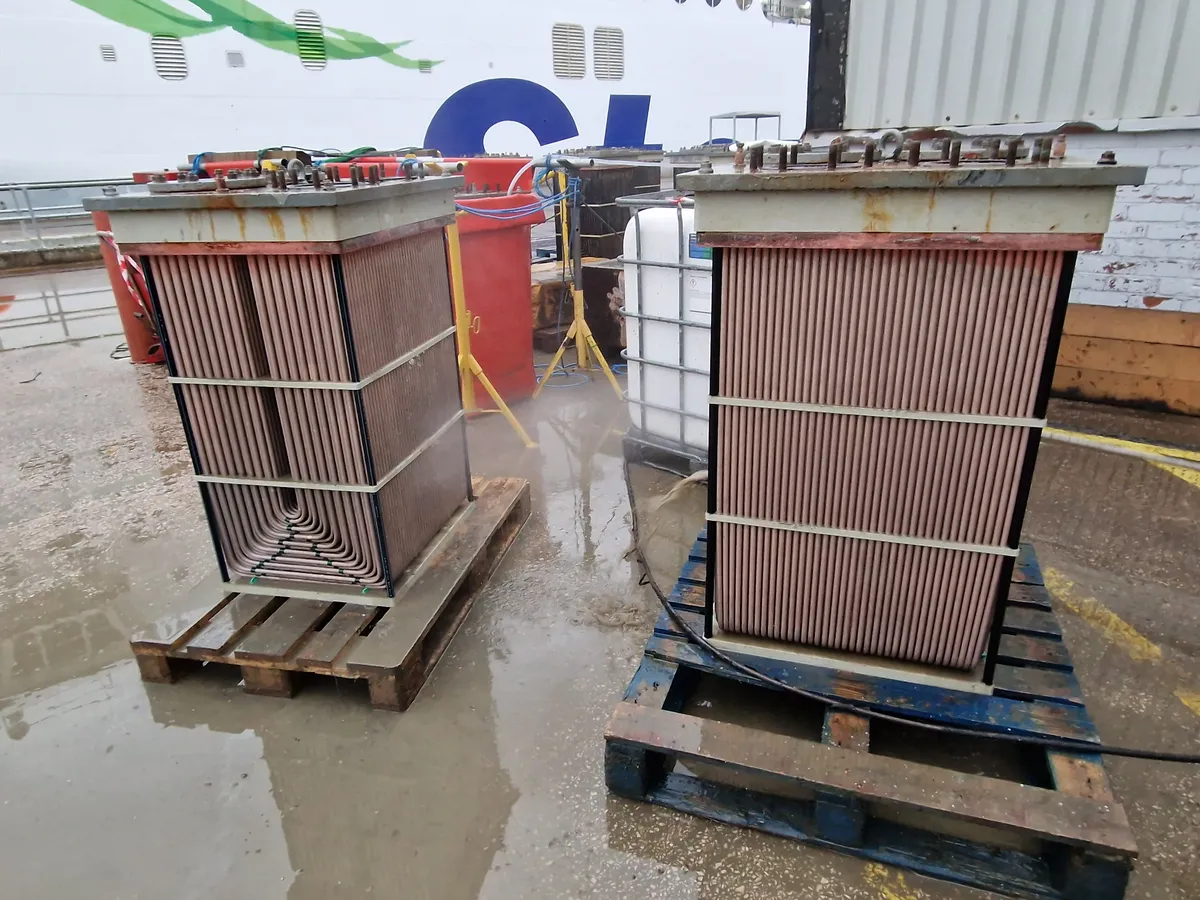
Plate Heat Exchangers (PHE)
Plate Heat Exchangers (PHE)
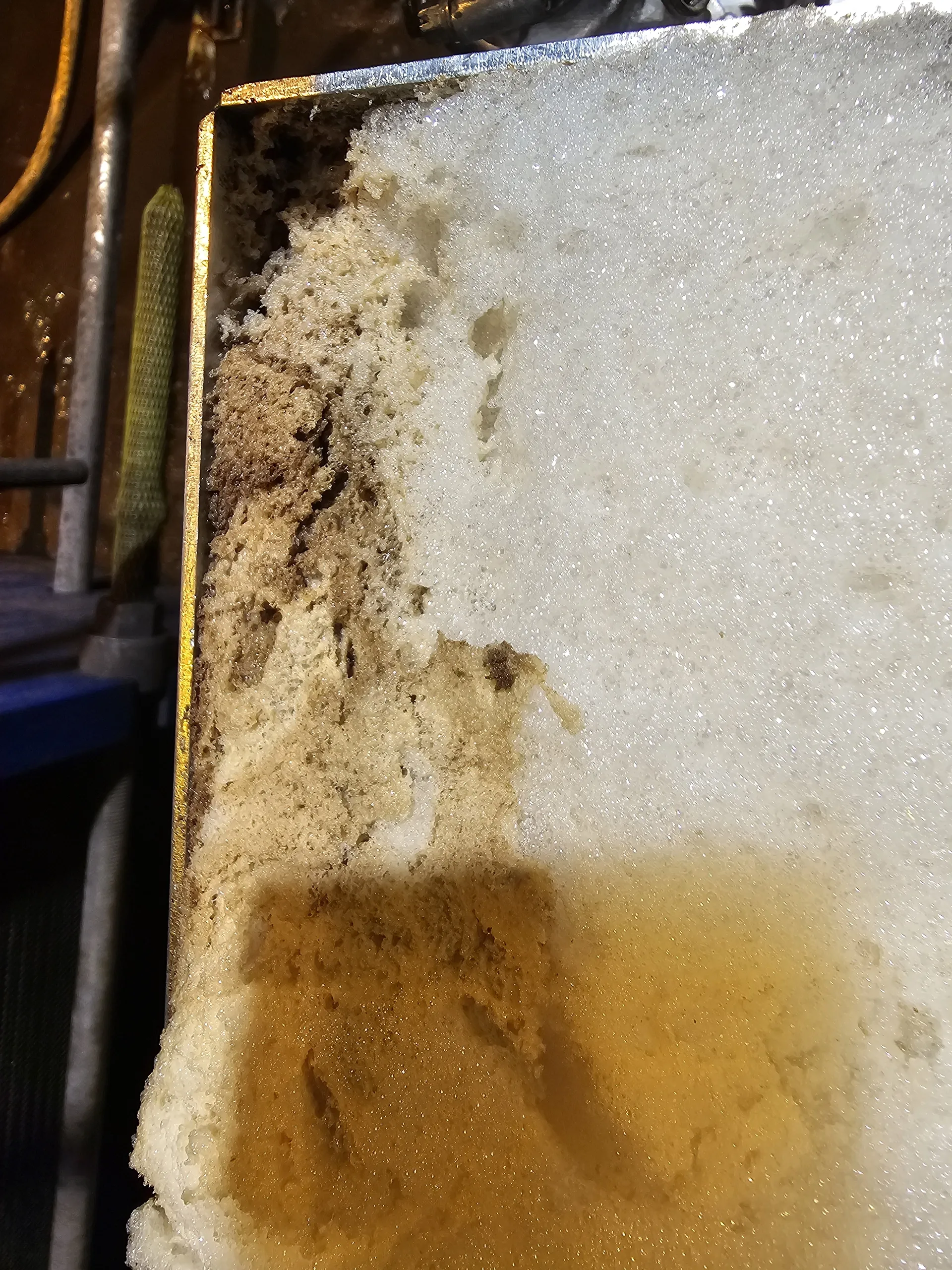
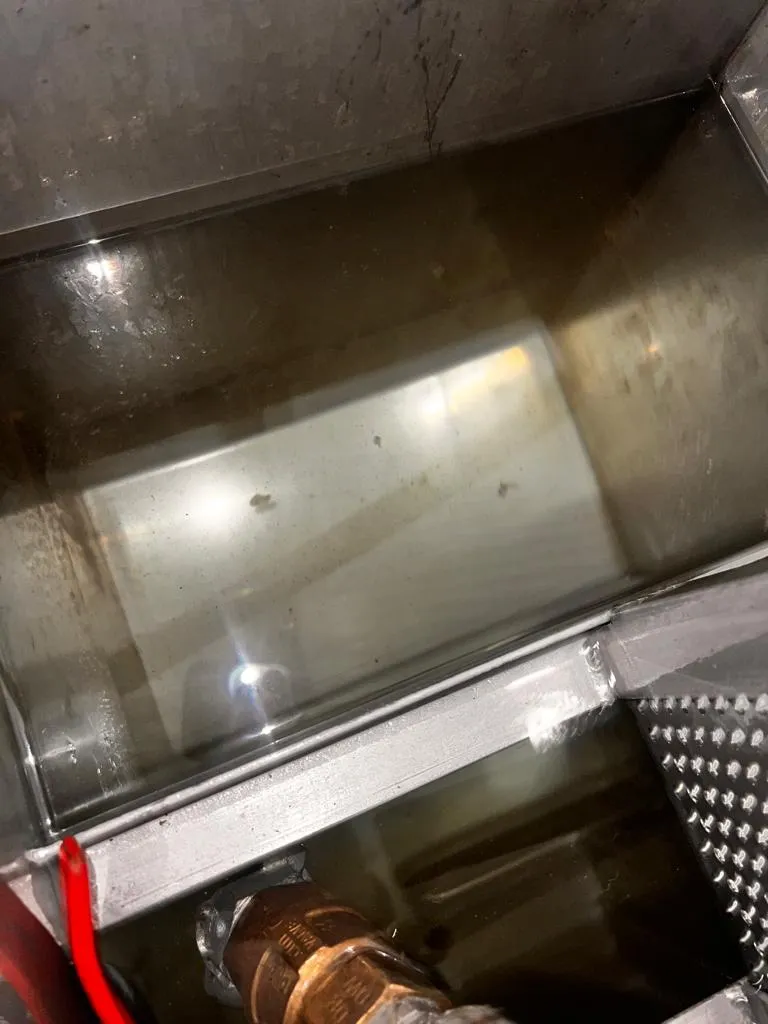
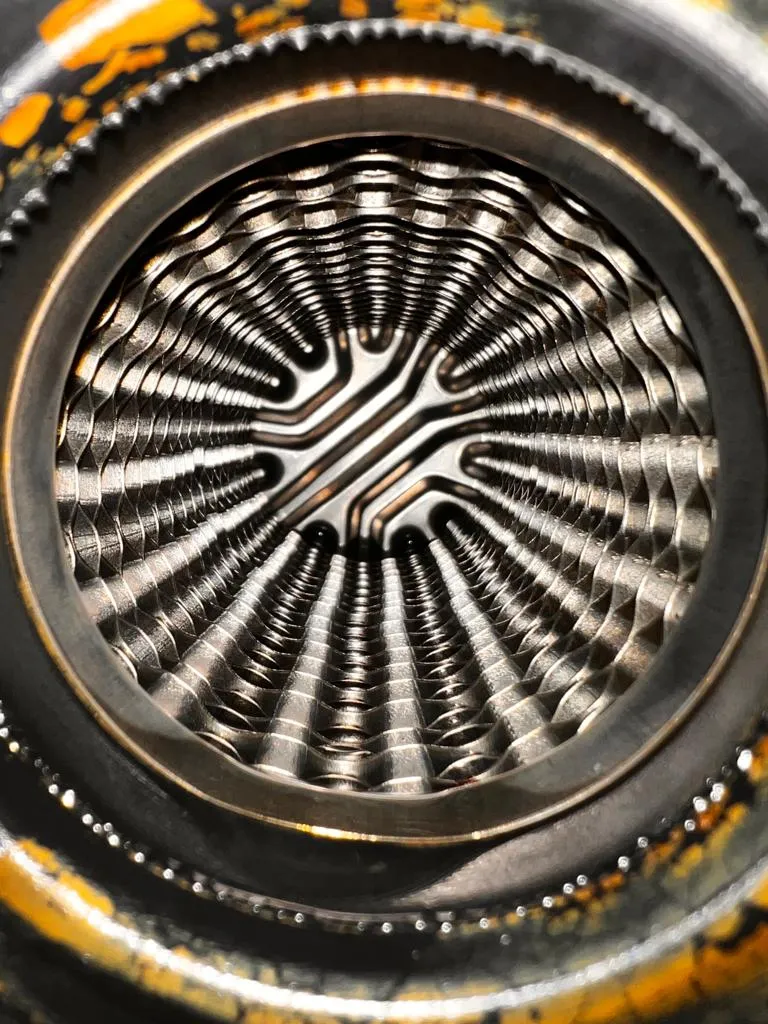
We provides plate heat exchanger cleaning (PHE cleaning) that restores performance with minimal operational disruption. We help shipowners, shipyards and industrial operators get back reliable cooling and heat transfer, quickly and safely.
- Evaluate fouling type and severity.
- Select appropriate method tailored to specific fouling conditions.
- Safely disassemble the PHE.
Inspect plates and gaskets for wear or damage.
Perform chemical cleaning with NGP Marine Fluid, a professional-grade, biodegradable cleaning solution designed specifically to remove:
- Rust and oxides
- Mineral scale (lime)
- Salts
- Algae and biological deposits
Marine Fluid is formulated with mild acids, providing a powerful yet safe cleaning action. It effectively dissolves deposits without damaging metal surfaces or components, although caution is required as it may corrode galvanized or zinc-treated surfaces.
Following chemical treatment, high-pressure water rinsing thoroughly removes loosened deposits and residual chemicals, leaving plates clean and fully functional.
- Reassemble the heat exchanger using new gaskets as needed.
- Conduct integrity and performance tests to confirm restored efficiency and operational readiness.
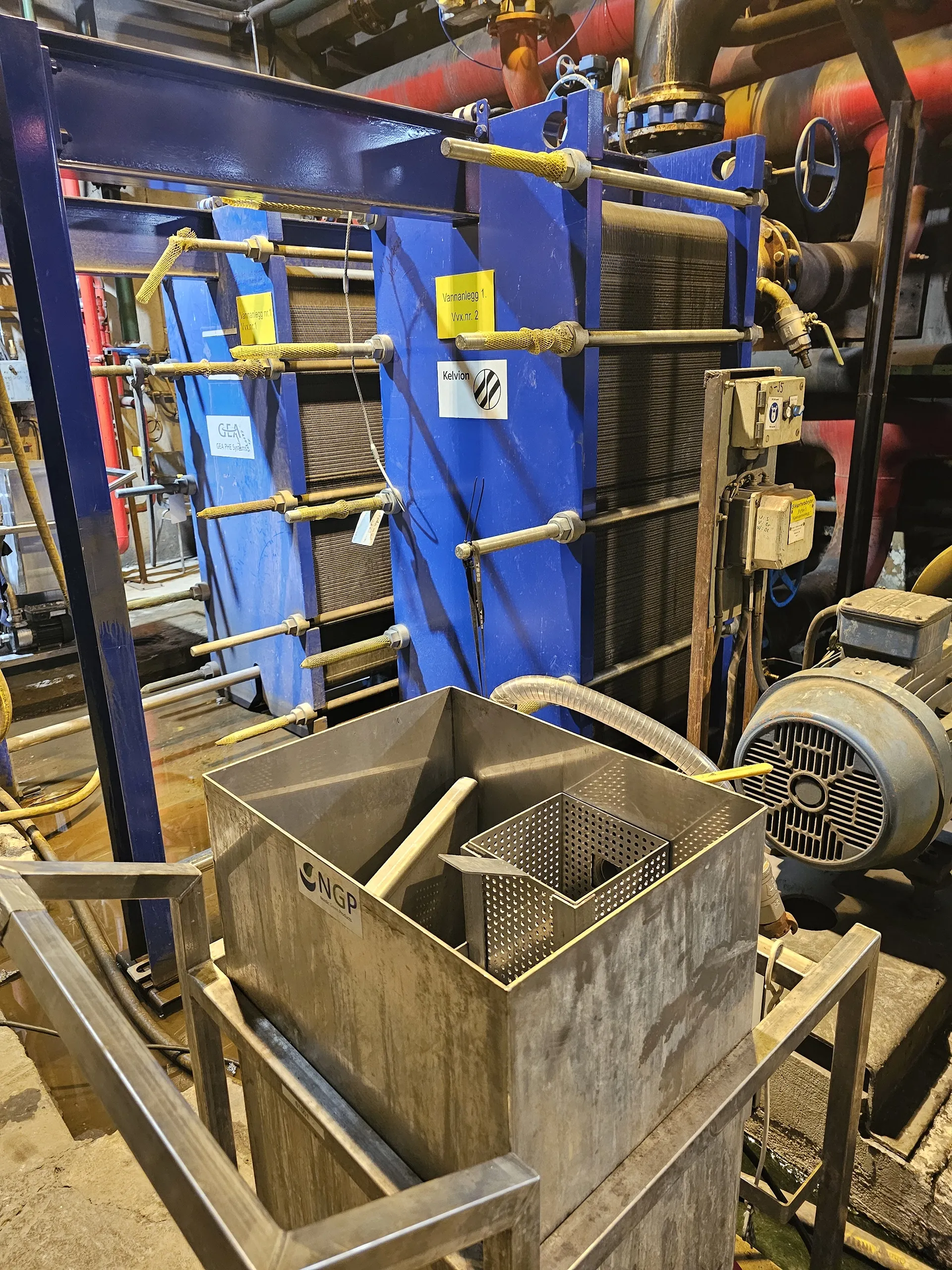
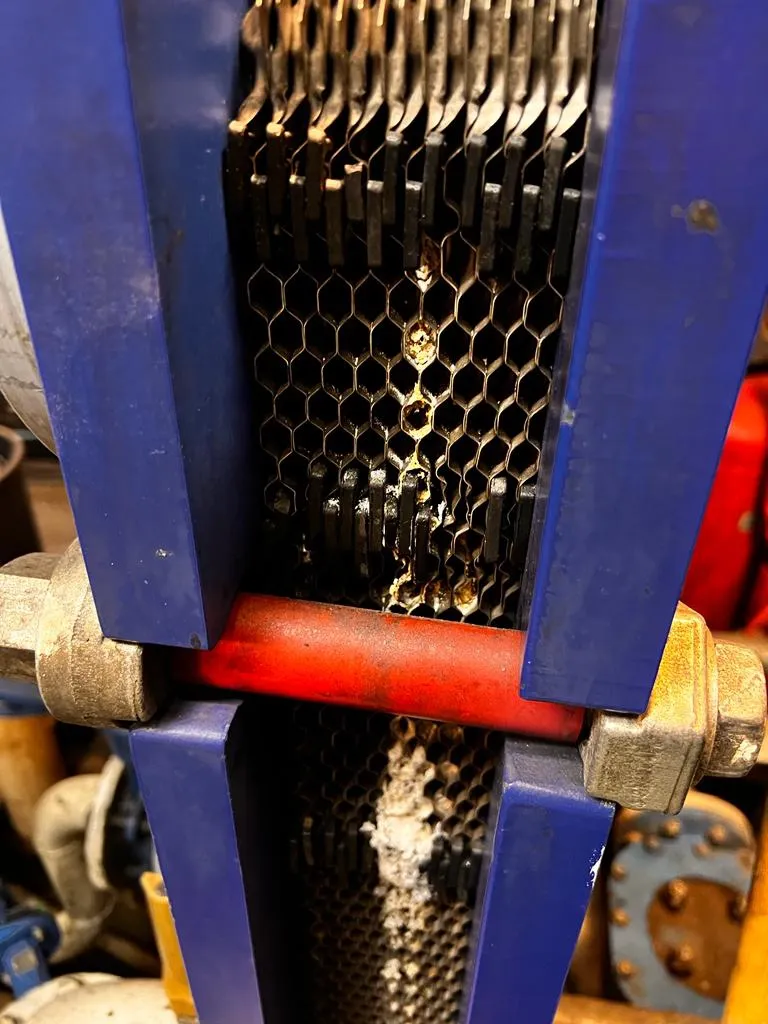
We provides plate heat exchanger cleaning (PHE cleaning) that restores performance with minimal operational disruption. We help shipowners, shipyards and industrial operators get back reliable cooling and heat transfer, quickly and safely.
- Evaluate fouling type and severity.
- Select appropriate method tailored to specific fouling conditions.
- Safely disassemble the PHE.
Inspect plates and gaskets for wear or damage.
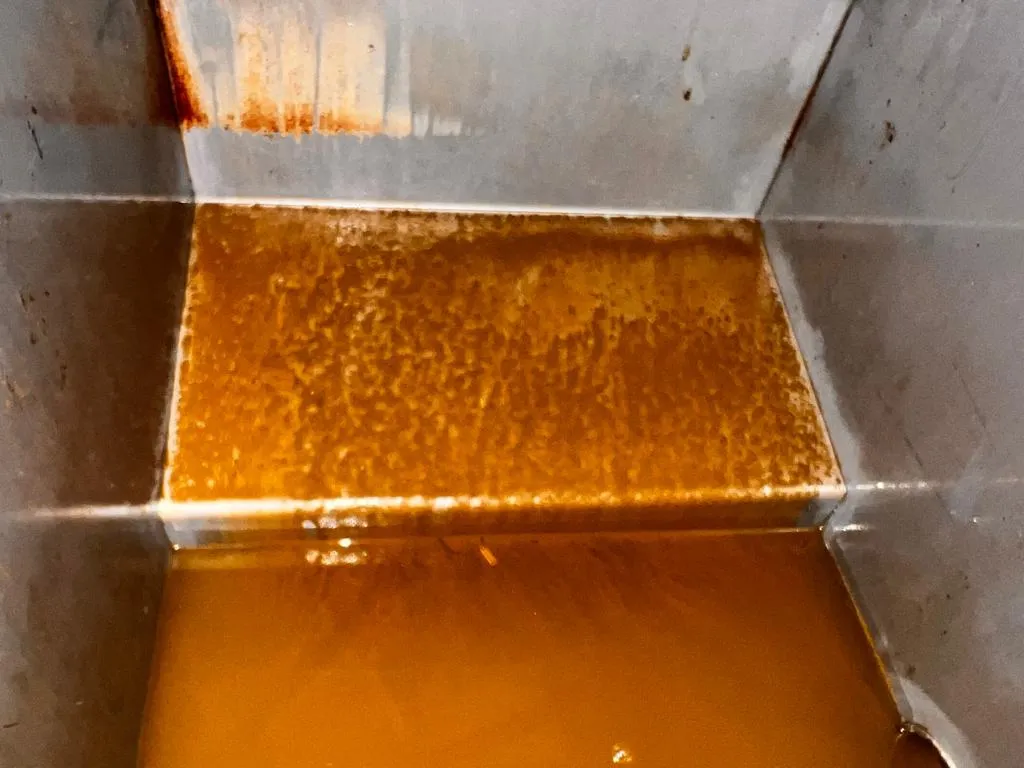
Perform chemical cleaning with NGP Marine Fluid, a professional-grade, biodegradable cleaning solution designed specifically to remove:
- Rust and oxides
- Mineral scale (lime)
- Salts
- Algae and biological deposits
Marine Fluid is formulated with mild acids, providing a powerful yet safe cleaning action. It effectively dissolves deposits without damaging metal surfaces or components, although caution is required as it may corrode galvanized or zinc-treated surfaces.
Following chemical treatment, high-pressure water rinsing thoroughly removes loosened deposits and residual chemicals, leaving plates clean and fully functional.
- Reassemble the heat exchanger using new gaskets as needed.
- Conduct integrity and performance tests to confirm restored efficiency and operational readiness.