IMO PFAS Compliance for Firefighting Foam from 2026
IMO PFAS Compliance for Firefighting Foam from 2026
From 1 January 2026, IMO regulations restrict the use of PFAS, PFOS and PFOA in firefighting foam systems. Compliance requires more than replacing foam concentrate alone. This article explains the regulatory background and why proper system cleaning and preparation are essential for a verifiable transition to PFAS free foam.
PFAS, PFOS and PFOA. IMO and SOLAS Requirements from 1 January 2026
PFAS is a collective term for a large group of fluorinated chemical substances. PFOS and PFOA are specific substances within this group that have historically been used in fluorinated firefighting foams and are subject to the most stringent international restrictions due to their persistence and environmental impact.
In response to environmental and health concerns related to fluorinated firefighting foams, the International Maritime Organization has adopted regulatory measures restricting the use of firefighting foam systems using fluorinated foam concentrates. These requirements enter into force from 1 January 2026, subject to flag state implementation, and apply to relevant ship types and firefighting installations in accordance with applicable IMO and SOLAS instruments.
PFOS
PFOS, perfluorooctane sulfonic acid, has historically been used as a key component in older fluorinated firefighting foams installed on board ships and offshore units.
Due to its extreme chemical stability and persistence, PFOS can remain in firefighting foam systems long after the foam itself has been drained. PFOS is today subject to strict international regulation and is, in practice, prohibited in new firefighting foam products.
Residual PFOS may still be present in existing systems, including foam tanks, piping, valves, pumps and sealing materials, unless appropriate system cleaning has been carried out.
PFOA
PFOA, perfluorooctanoic acid, is another regulated substance within the PFAS group. It has been used in certain firefighting foam formulations and as a processing aid in the manufacture of fluorinated materials.
PFOA shares many characteristics with PFOS, including high persistence and documented environmental and health effects. Residual PFOA may be present in older foam formulations or as degradation products in firefighting foam systems that previously contained fluorinated foam.

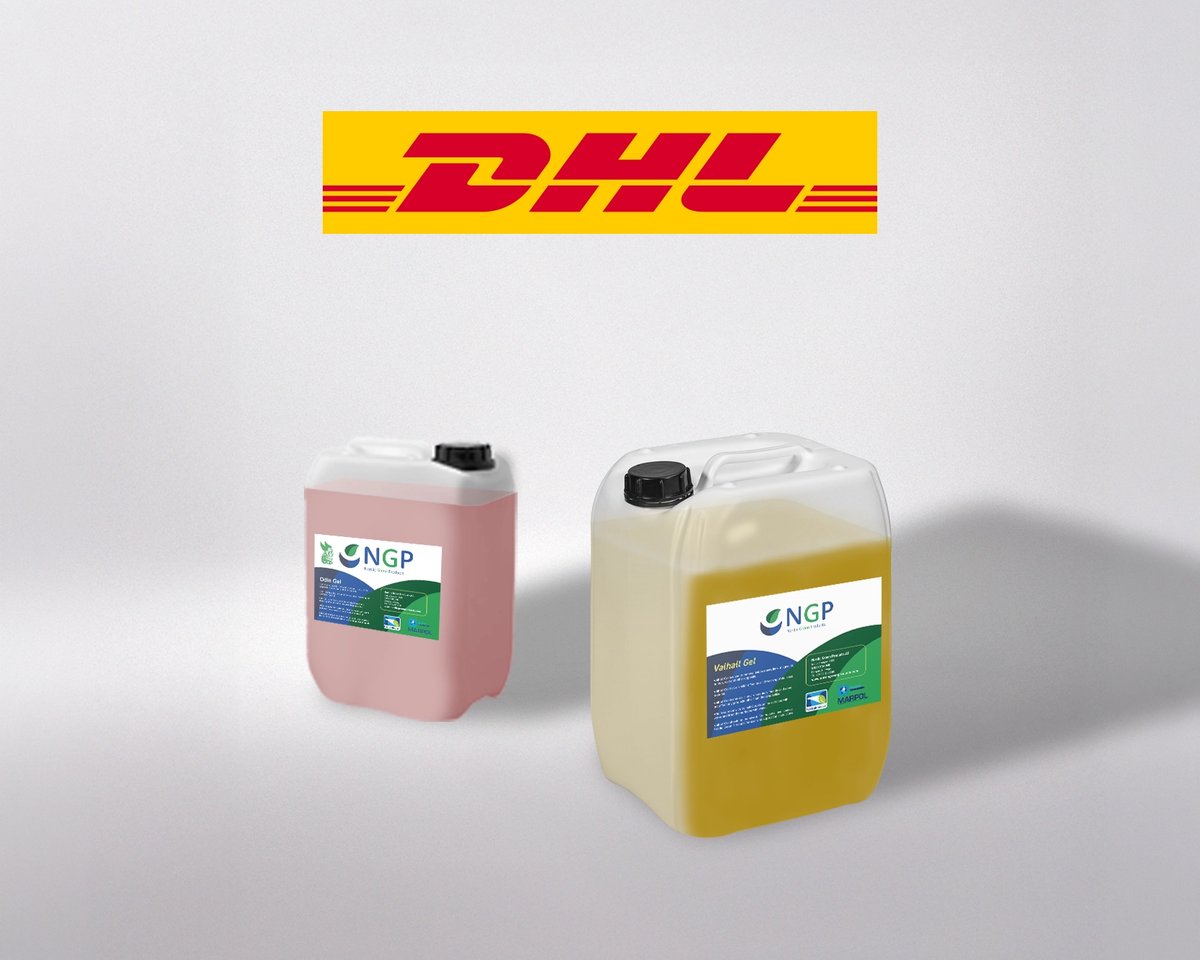
Old foam for destruction and new foam for refilling, side by side
IMO compliance and system cleaning requirements
Under the IMO regulatory framework applicable from 1 January 2026, the transition from fluorinated to fluorine free firefighting foam requires more than the replacement of foam concentrate alone.
Due to the persistent nature of PFAS, PFOS and PFOA, residual fluorinated substances may remain within firefighting foam systems after draining. If these residues are not removed, they may contaminate newly installed PFAS free foam and compromise compliance with IMO requirements and flag state enforcement.
Proper preparation of firefighting foam tanks and piping systems is therefore considered necessary to ensure that residual fluorinated substances are addressed and that the system is suitable for PFAS free foam. Within FoamSafe Transition™, with FoamSafe™ applied as the system focused approach, this supports:
- fluorinated substances are effectively removed from the system
- the installation is technically prepared for PFAS free foam
- compliance with applicable IMO regulations can be documented
- inspection, survey and audit requirements can be met
System cleaning forms an integral part of a compliant and verifiable transition to PFAS free firefighting foam under the IMO regulatory regime.
FoamSafe Transition™ / FoamSafe™
FoamSafe Transition™ refers to a defined framework for preparing firefighting foam systems when transitioning from fluorinated to PFAS free foam. It focuses on system condition, residual fluorinated substances and documentation considerations beyond the foam concentrate itself.
FoamSafe™ is the applied, system focused approach used within FoamSafe Transition™ to support system readiness and verifiable compliance.
Plan your PFAS / PFOS free transition
Secure the cleaning and foam replacement your vessel needs before its next survey. Early planning ensures full compliance with the 2026 rules.